
When to choose 3D animation for a content campaign
When to choose 3D animation for a content campaign
3D animation is worth considering when an important idea would be difficult, expensive or impossible to show with a camera. It can reveal the inside of a product, simplify a process, present an innovation before manufacturing is complete or build a fully controlled visual world. Its purpose is not simply to make a campaign look impressive. It should make the message easier to understand and support a clear marketing objective.
For a marketing director, creative lead or agency producer, the real question is whether 3D is the best communication tool for the audience, budget, schedule and planned deliverables. The right answer often comes from comparing a live action approach, a 3D approach and a hybrid production before the creative route is approved.
The short answer
Choose 3D animation when it lets you show something that live action cannot capture efficiently. It is especially useful for explaining a mechanism, visualizing a product that is not yet available, controlling every visual detail or producing several campaign versions from one digital environment.
Choose photography or live action video when people, authentic materials, testimonials or a real setting are central to the message. Many strong campaigns combine both methods. A real person can establish trust while 3D clarifies the product or process that person is discussing.
Show what remains invisible
A product may hide its greatest value inside. Industrial equipment can depend on movement that is too fast, too small or too difficult for a camera to reach. A technology platform may operate in an abstract environment with no physical process to film. In these situations, 3D animation can guide attention and turn a technical explanation into a visible sequence.
The image can isolate a component, open an object, follow a flow or compare configurations. Viewers can see how the system works instead of relying only on a written description. This is particularly useful when a campaign must help decision makers, partners or customers understand an innovation quickly.
Present a product before it is available
Marketing schedules often begin before every prototype, package or finish is ready. A 3D model can help content development move forward while physical production continues. This can protect a launch schedule and give creative teams more time to test framing, movement and visual hierarchy.
The process still depends on accurate information. Dimensions, materials, colours, textures and functional details must be validated by the product team. 3D does not replace this approval. It makes the approval even more important because a convincing image can also make an error look convincing. Assign clear technical and brand reviewers before production begins.
Gain complete visual control
In a 3D environment, the camera, lighting, set and movement can be adjusted with precision. That level of control makes it possible to build a consistent product world, protect the art direction from one scene to the next and adapt compositions for several formats.
For creative leads, this flexibility opens possibilities that can be difficult to achieve on a set. Proportions can become graphic. Movements can follow the rhythm of the message. Transitions can connect several product benefits in one sequence. The strongest work still begins with clear visual rules. More effects do not automatically create a better story.
Make a complex message easier to follow
Effective animation does not show everything at once. It organizes information. Each shot should answer one question and prepare the next. A visual story can begin with the problem, reveal the process and then show the benefit in a context the audience can recognize.
This structure is valuable in manufacturing, industrial and technology communications. Our page about content production for manufacturing organizations shows how video, photography and animation can work together to make expertise more accessible.
Plan campaign versions from the start
A well designed 3D environment can support several deliverables. A main scene can be reframed for horizontal, vertical and square placements. Still images can be created for a presentation, product page or digital campaign. Selected assets may also support future sequences when the art direction remains consistent.
This flexibility is not automatic. It must be part of the brief. The production team needs to know the aspect ratios, durations, text safe areas, platforms and languages before final framing begins. An animation designed only for a long horizontal format can require substantial rework when short vertical versions are requested later.
When live action is still the better choice
When people carry the message
An interview, testimonial, demonstration or team story depends on real presence. Expression, voice and spontaneous reactions add a dimension that 3D does not always need to reproduce. In this situation, video production will often remain the centre of the campaign while animation supports specific explanations.
When real materials build trust
Some products should be photographed or filmed to show their texture, use and behaviour in the real world. 3D can complement those images with a technical view or an impossible transition without replacing the footage that demonstrates authenticity.
When a simpler solution is enough
A clear message does not always require a complete digital build. A focused shoot, motion graphics treatment or 2D animation may answer the brief more directly. The production method should remain proportional to the role of the content in the campaign.
Compare the budget realistically
The cost of 3D animation depends on model complexity, the required level of realism, materials, movement, the number of scenes, simulations and review cycles. A simple object in a graphic environment involves a different workload than a photoreal product surrounded by particles, liquids or characters.
A useful comparison looks at complete production scenarios. A live action shoot may require a location, crew, transportation, props and several production days. A 3D project may require more development before animation begins as well as rendering time. The right option is the one that delivers the creative idea with a controlled level of complexity and a realistic approval process.
Build the brief around decisions
A strong brief identifies the audience, the primary message, the benefit to remember and the action viewers should take. It also includes visual references, brand assets, available technical files, details that must remain accurate and every required deliverable.
Add a list of decisions that require approval. The storyboard, visual style, materials, motion and final rendering should not all be reviewed for the first time at the end. Progressive approvals protect the creative direction, budget and schedule. They also help agency and client teams focus their feedback on the decisions that are still open.
Let the message guide the decision
3D animation becomes a strategic tool when it improves understanding, gives access to something invisible or creates a visual world that would be impractical to produce another way. It adds less value when it only increases complexity without strengthening the message.
Before choosing a format, define what the audience must understand, what a camera can realistically show and which campaign versions will be needed. Then compare live action, 3D and a hybrid solution. This simple exercise helps teams invest in the format that serves the idea, protects brand consistency and supports reliable delivery.
Explore our latest video and photography projects
ORFÉ – Muffin Max
Van Leer – 3D Video Production

Rick Ross X E22 – Commercial Photography
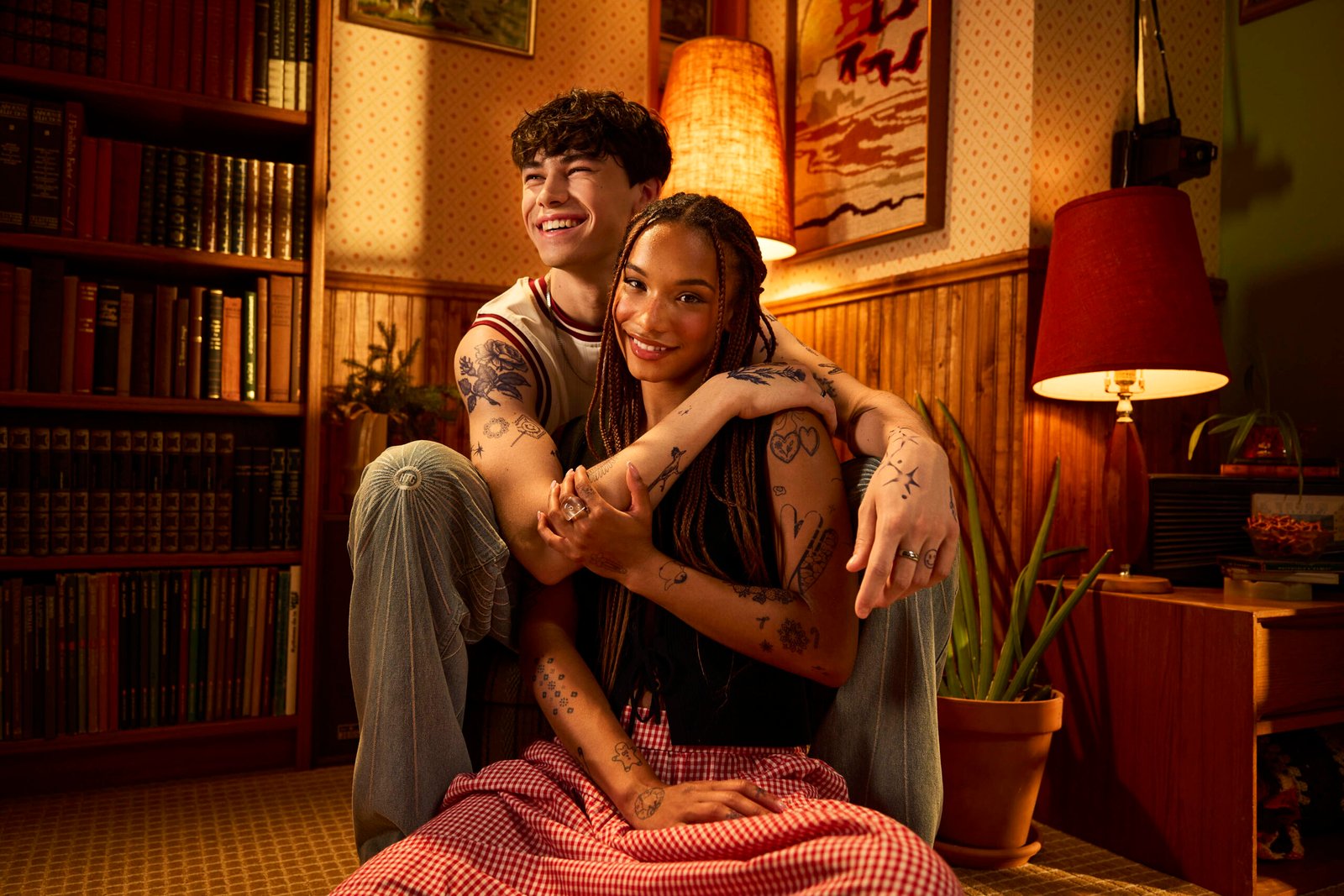
BIC Inkbox – Commercial Photography

Clarins Share the Love – Product Photography