

Studio or location shooting and how to make the right choice
Studio or location shooting and how to make the right choice
The right shooting environment protects the creative idea while keeping the production realistic. A studio provides control, consistency and room to build. A real location provides context, credibility and visual character from the start. The choice should not come from taste alone. It should follow the message, the shot list, the budget, the schedule and the level of production risk everyone is prepared to manage.
For a marketing team, creative lead or agency producer, this decision shapes almost everything that follows. It affects crew size, setup time, technical requirements, permits, visual continuity and the amount of content that can be captured. The following method helps teams compare both options with confidence.
The short answer
Choose a studio when consistent lighting, controlled sound, repeatable setups or a custom visual world are priorities. Choose a location when the setting is part of the story, when its authenticity would be difficult to recreate or when a product must be shown in its real environment.
Either way, the best decision happens during pre-production. The earlier the team clarifies the required shots and production constraints, the less it will need to improvise on shoot day.
When a studio is the stronger choice
When light and sound need close control
In a studio, the crew can place lights precisely, reduce weather-related changes and maintain a consistent look from one setup to the next. This stability is useful for interviews, product demonstrations, advertising photography and content series that must share the same visual identity.
Sound is also more predictable. The space and equipment still need to be tested, but the team is less dependent on traffic, nearby construction, building ventilation or public activity.
When the image must be built around the brand
A studio offers a neutral starting point for a visual world designed around the creative direction. Sets, backgrounds, surfaces, props and colours can be selected to support the brand. This reduces the visual compromises that often come with an existing space.
It also makes variations easier to plan. One set can support several framings, formats and messages when the production design considers those needs from the beginning. For a campaign serving multiple channels, that flexibility can increase the value of the shoot without adding unnecessary resets.
When production logistics need to stay simple
A purpose-built production environment generally makes power, loading, preparation areas and equipment access easier to manage. The schedule can be structured in detail, especially when the team follows a clear plan like the one in our guide to planning an efficient photo and video shoot day.
When a real location creates more value
When the setting explains the story
Some stories become immediately clearer in a real environment. A factory shows the scale of a process. An office reveals how an organization works. A kitchen, construction site, store or campus gives the audience visual cues that a set would otherwise need to recreate.
This authenticity matters when the setting acts as visual evidence. It can strengthen a brand story, recruitment video, expertise profile or customer testimonial. The viewer understands where the action happens and why that place matters.
When the existing space already has visual character
A strong location offers texture, scale, depth and natural light that can enrich the image. It may also reduce set construction when the space already supports the concept. That advantage only holds when the location works operationally as well as visually.
A space that looks impressive in a scouting photo may become challenging with a full crew. The team needs to confirm shooting depth, noise, power, parking, access windows, storage areas and the movement of people through the space. A thorough scout turns a visual instinct into a production decision.
Compare the full budget
The location fee never tells the whole story. A studio budget may include set construction, surfaces, furniture and installation time. A location budget may include permits, transportation, site protection, travel, limited working hours and the tools required to control light or sound.
Compare two complete scenarios. For each one, estimate preparation time, shoot duration, crew size, specialized equipment, delay risks and backup options. This creates a more reliable picture than comparing rental prices alone.
Six questions that guide the decision
Is the setting essential to the story If the message loses its strength without that environment, a location deserves priority.
Does the look need to be perfectly repeatable For a series of videos or a campaign produced over several days, a studio often supports better continuity.
How many variations must be created The longer the format list becomes, the more valuable control over the set can be.
Is production sound critical Interviews and direct-to-camera messages require an environment that has been evaluated carefully.
Can the space support the full crew Preparation, hair and makeup, storage and circulation areas all belong in the assessment.
What is the backup plan Weather, operational interruptions or restricted access should never take the production by surprise.
A hybrid approach may be the best answer
The decision does not always need to favour one environment. A campaign can combine studio interviews with action footage captured on location. It can also use a real space for the moments that demand authenticity, then return to the studio for product shots, demonstrations and social media variations.
This hybrid approach requires disciplined planning. Camera, lighting, colour and art direction choices must create continuity across both settings. The video production then feels like one coherent system instead of separate shoots.
The best location protects the creative strategy
A studio is not automatically more efficient, and a location is not automatically more authentic. The right answer depends on the concept and the real constraints. The best choice gives the team the conditions it needs to create the required images without adding risks that do not improve the result.
Before booking, turn the brief into a shot list, evaluate the technical needs, compare two complete budgets and confirm the backup plan. This process helps marketing, creative and production teams make one shared decision, reduce surprises and focus their energy on the quality of the work. If the project includes a substantial still-image component, the same assessment can also be applied to commercial photography.
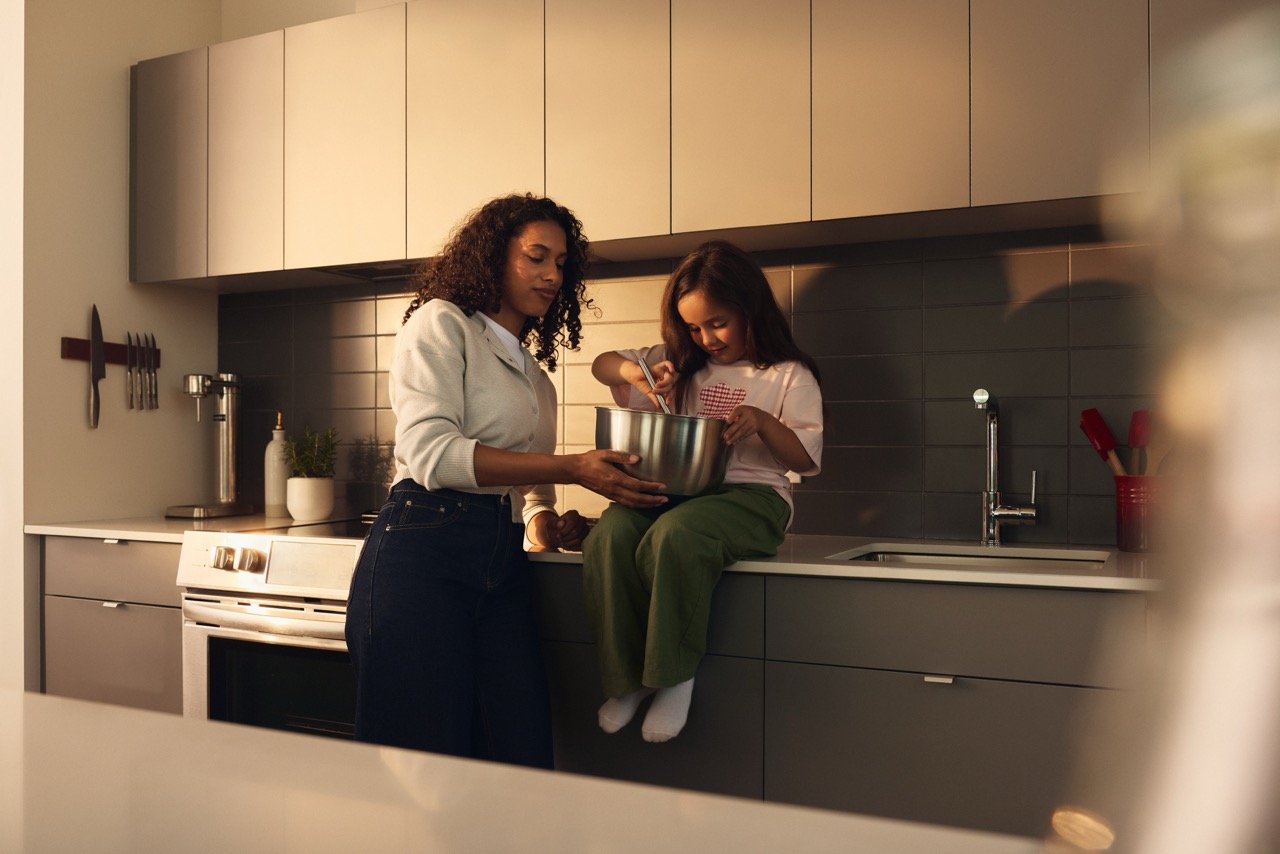
Découvrez nos plus récents projets vidéo et photo

ORFÉ – Muffin Max
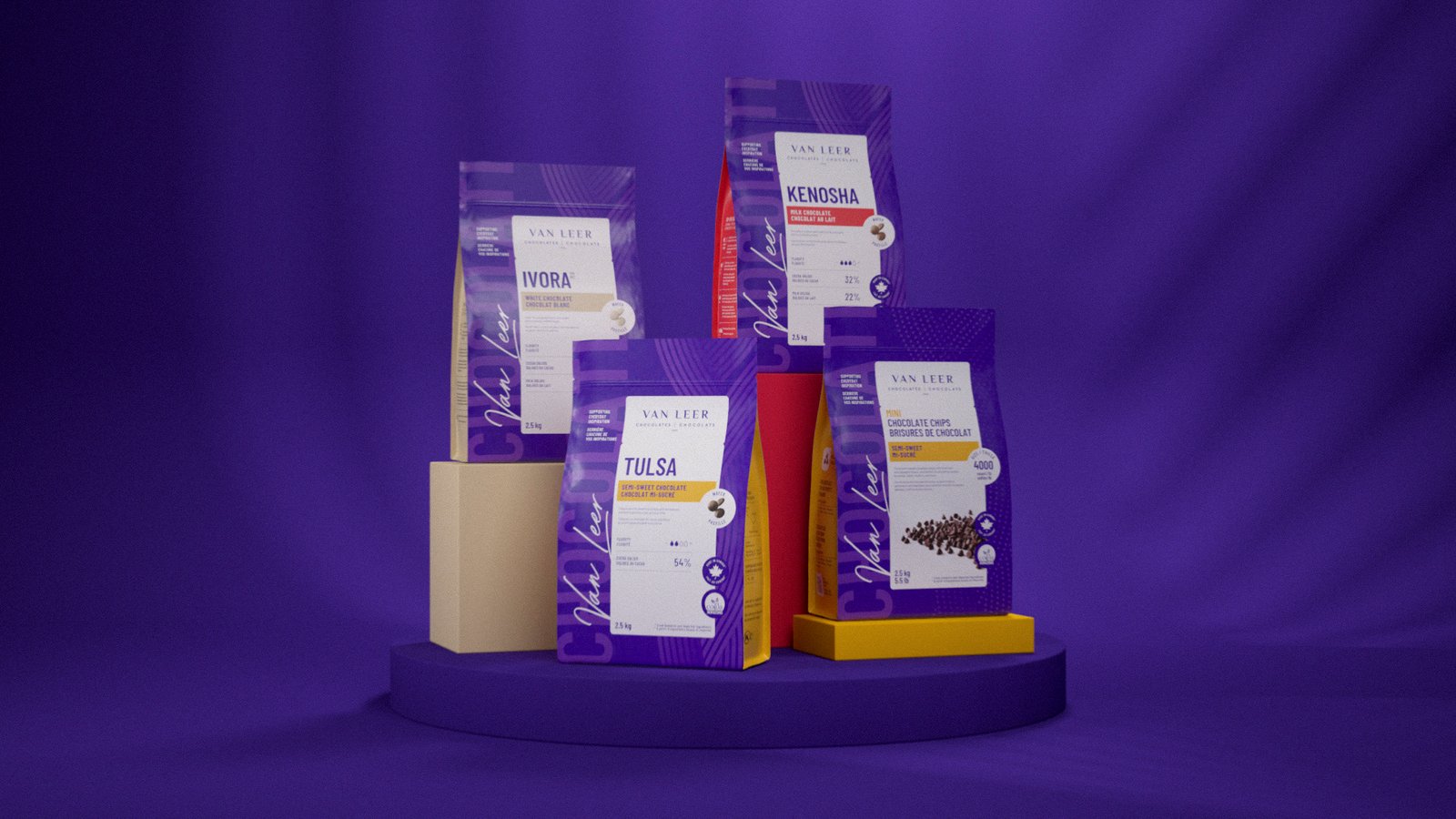
Van Leer – 3D Video Production
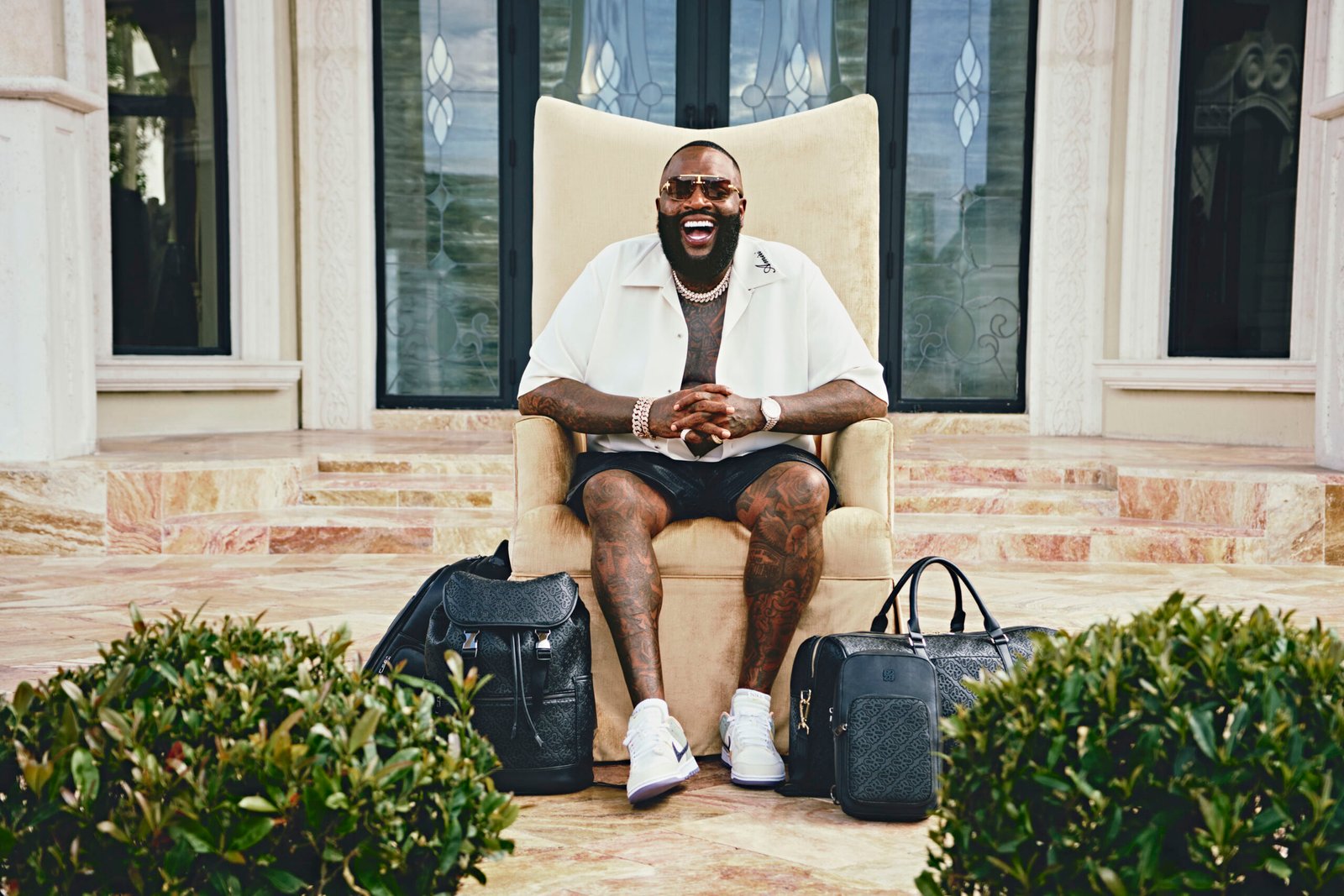
Rick Ross X E22 – Commercial Photography
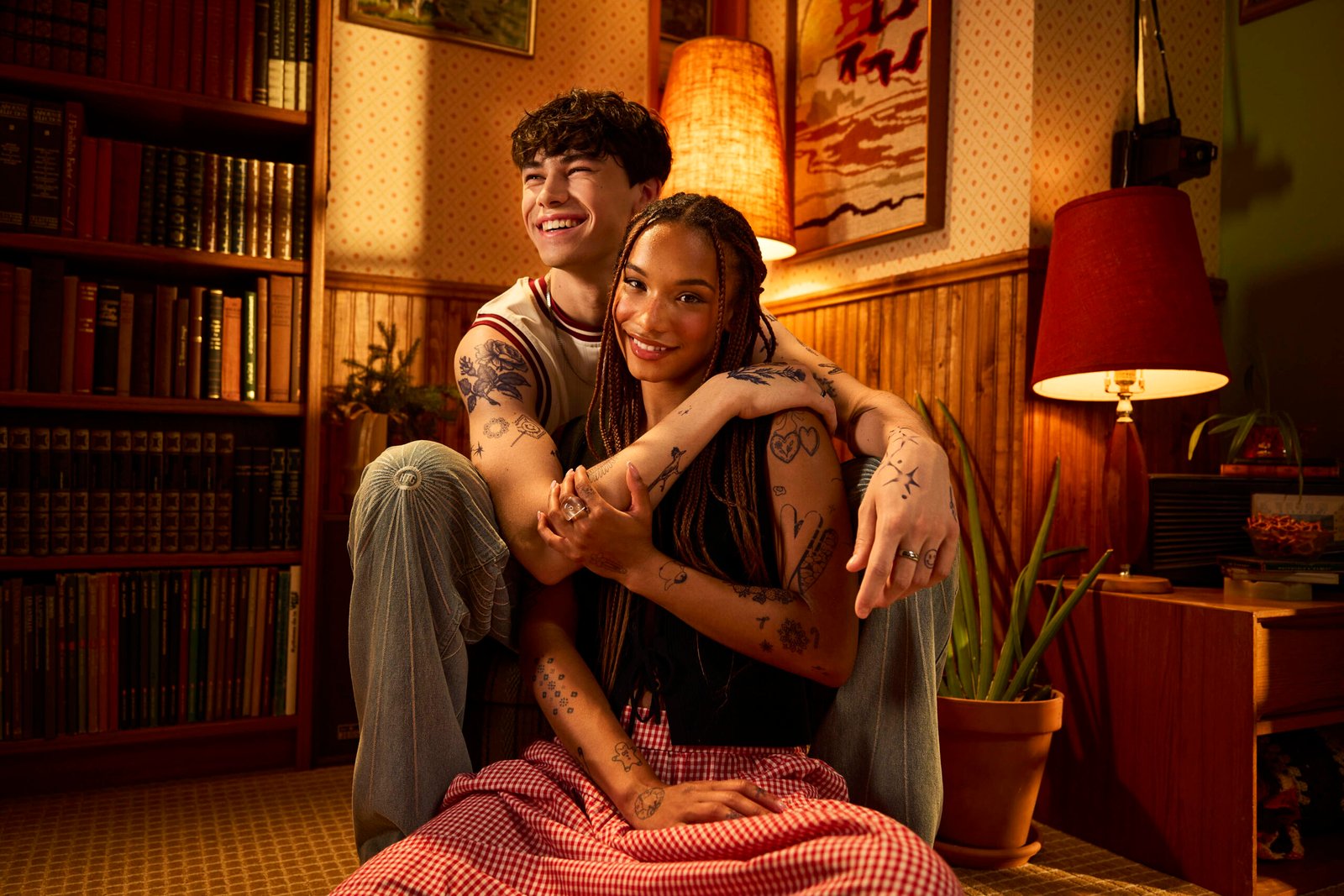
BIC Inkbox – Commercial Photography

Clarins Share the Love – Product Photography

M’LORD – Food photography
Parlez-nous de votre projet
Nous assurons un suivi en 2 heures ou moins
Pour proposer vos services ou soumettre une candidature, cliquez ici.