

Multi-Format Production That Maximizes One Shoot
One well-planned shoot can supply weeks of marketing communications when every deliverable is considered before the camera starts rolling. For marketing teams, creative directors, and agencies, multi-format content production means building one central idea that can live across video, photography, and digital formats without weakening the creative concept.
The short answer is simple. To maximize one shoot, define the uses, platforms, aspect ratios, and required versions first. This preparation creates a realistic shot list, protects the creative direction, and reduces last-minute requests that put pressure on budgets and schedules.
What is multi-format content production?
Multi-format production brings every campaign asset into one coordinated production plan. The list may include a main video for a website, short social edits, campaign photography, portraits, product shots, thumbnails, and vertical footage.
It is not simply a matter of filming more material. Every deliverable needs a clear purpose, an appropriate composition, and a finish that feels consistent with the brand. A 30-second commercial, a 10-second vertical video, and a billboard photograph do not require the same rhythm or framing, even when they share one visual world.
Start with the intended uses, not the equipment
Before discussing cameras, lighting, or sets, clarify the role of the content. Who needs to see it? Where will it appear? What action should it encourage? How long must it remain useful?
Those answers establish priorities. A marketing team may need one hero asset for a campaign while the sales team needs short explanatory clips. A creative director will want to protect colour, casting, and composition. A producer will focus on dependencies, approvals, and delivery dates.
A strong brief brings those needs into one vision. It separates essential deliverables from useful options, making decisions easier when the schedule or budget requires a trade-off.
Build a deliverables matrix
A simple matrix quickly reveals what must be captured. For every asset, record the platform, duration, format, language, message, call to action, and delivery date. A typical plan might include
- a horizontal hero video for the website and presentations;
- 15-second and 6-second edits for digital placements;
- vertical 9:16 sequences for stories and reels;
- horizontal, vertical, and close-up campaign photography;
- thumbnails, portraits, and product details for editorial needs.
The matrix connects strategy to the shot list. It also exposes conflicts before production. Can a tight composition be cropped vertically? Does the set leave enough negative space for copy? Does the talent need to deliver several versions of the message? The answers shape the storyboard and schedule.
Pre-production is where the shoot earns its value
The best opportunity to save time comes during pre-production. The storyboard, shot list, visual references, lighting plan, casting, props, and brand approvals should all support the same story.
Less visible details also need attention, including product variants, styling changes, usage rights, language versions, music, captions, and review rounds. The clearer these elements are, the less the crew must improvise under pressure.
A good plan does not restrict creativity. It creates room for it. When the required shots are protected, the director can explore additional gestures, angles, and transitions without placing the core deliverables at risk.
Protect the creative idea in every format
More versions should never turn a distinctive campaign into generic content. The concept needs a few strong anchors such as a clear intention, palette, lighting approach, camera language, and recognizable way of presenting the people or product.
The staging can then adapt. In a vertical format, the subject and graphics must remain readable inside a narrower composition. In photography, the decisive moment, texture, and expression become more important. In a short video, the idea has to register sooner. Consistency comes from the visual system, while effectiveness comes from adapting it intelligently.
Organize the production day around setups
On set, it is usually more efficient to organize the schedule by setup rather than by platform. Group the shots that share the same location, lighting, talent, or styling. This limits resets and makes transitions more predictable.
Photography and video can be produced on the same day, but each discipline needs defined time. Some setups allow complementary capture, while others call for a distinct approach. The production plan should state which team has priority, which shots are essential, and how much time is reserved for each discipline.
Someone should also monitor continuity across products, props, hair, makeup, lighting intensity, and set details. A clear file-naming system and structured backups make post-production easier and reduce avoidable confusion.
Plan the versions before post-production
After the shoot, the challenge becomes version management. An approved master edit provides the reference, and each version is then adapted for duration, aspect ratio, captions, and call to action. File names should identify the campaign, platform, language, format, and revision clearly.
The feedback process deserves the same clarity. Decide who consolidates comments, who gives final approval, and which changes may affect every deliverable. Centralizing feedback limits contradictions and protects the delivery schedule.
Questions to ask your production partner
- Which deliverables are realistic within the available budget and time?
- Which decisions must be approved before the shoot?
- How will photography and video requirements fit into the schedule?
- Which technical specifications must be obtained from media partners?
- How will comments, versions, and final files be managed?
- What contingency plan covers the location, weather, talent, or product?
These questions make collaboration more transparent. They also give the client or agency a clear view of costs, responsibilities, and decision points without requiring constant oversight of every production detail.
Frequently asked questions
How many formats can one shoot produce?
There is no universal number. It depends on the concept, number of setups, platforms, and expected level of finish. A coherent collection of useful assets creates more value than a long list of versions with no defined purpose.
Does shooting photography and video on the same day reduce quality?
Not necessarily. Quality remains strong when each discipline receives the time, resources, and shots it needs. The risk appears when photography is added without adjusting the schedule, lighting plan, or number of setups.
When should 3D be included?
3D can be valuable when a product is difficult to film, a mechanism needs explanation, or several variants require a perfectly controlled presentation. It should serve the idea and be planned with the other visual elements rather than added at the end.
One shoot, one vision, many touchpoints
Multi-format content production works when strategy, creativity, and logistics come together early. The result is not simply more content. It is a connected set of assets designed for their contexts, consistent with one another, and easier for the entire team to manage.
Planning a photography, video, or 3D campaign? Explore Studio Kay's video production approach, browse the portfolio, or contact Studio Kay to build a production plan around your deliverables, schedule, and team.

Explore Our Latest Video and Photography Projects
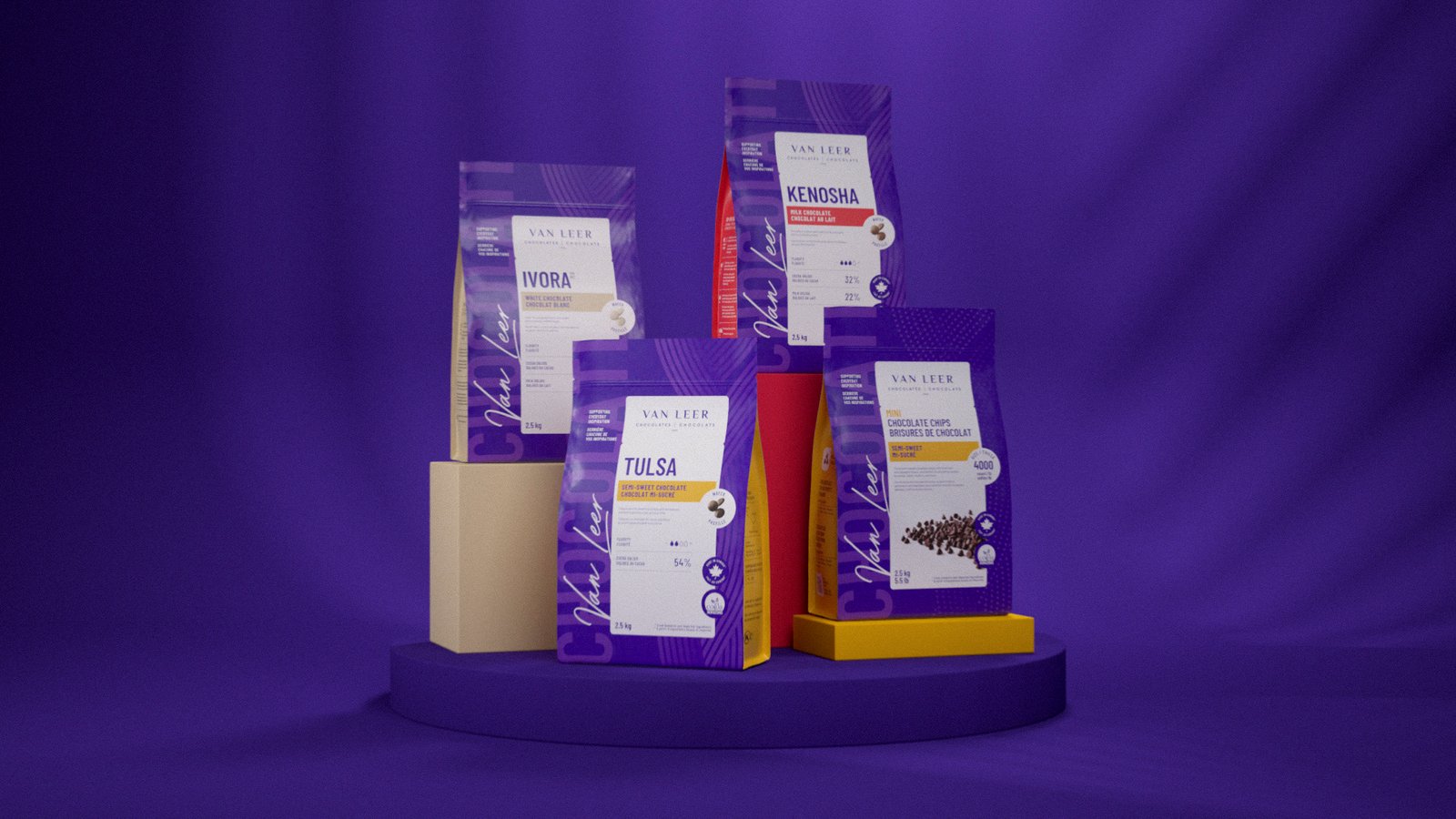
Van Leer – 3D Video Production

Rick Ross X E22 – Commercial Photography
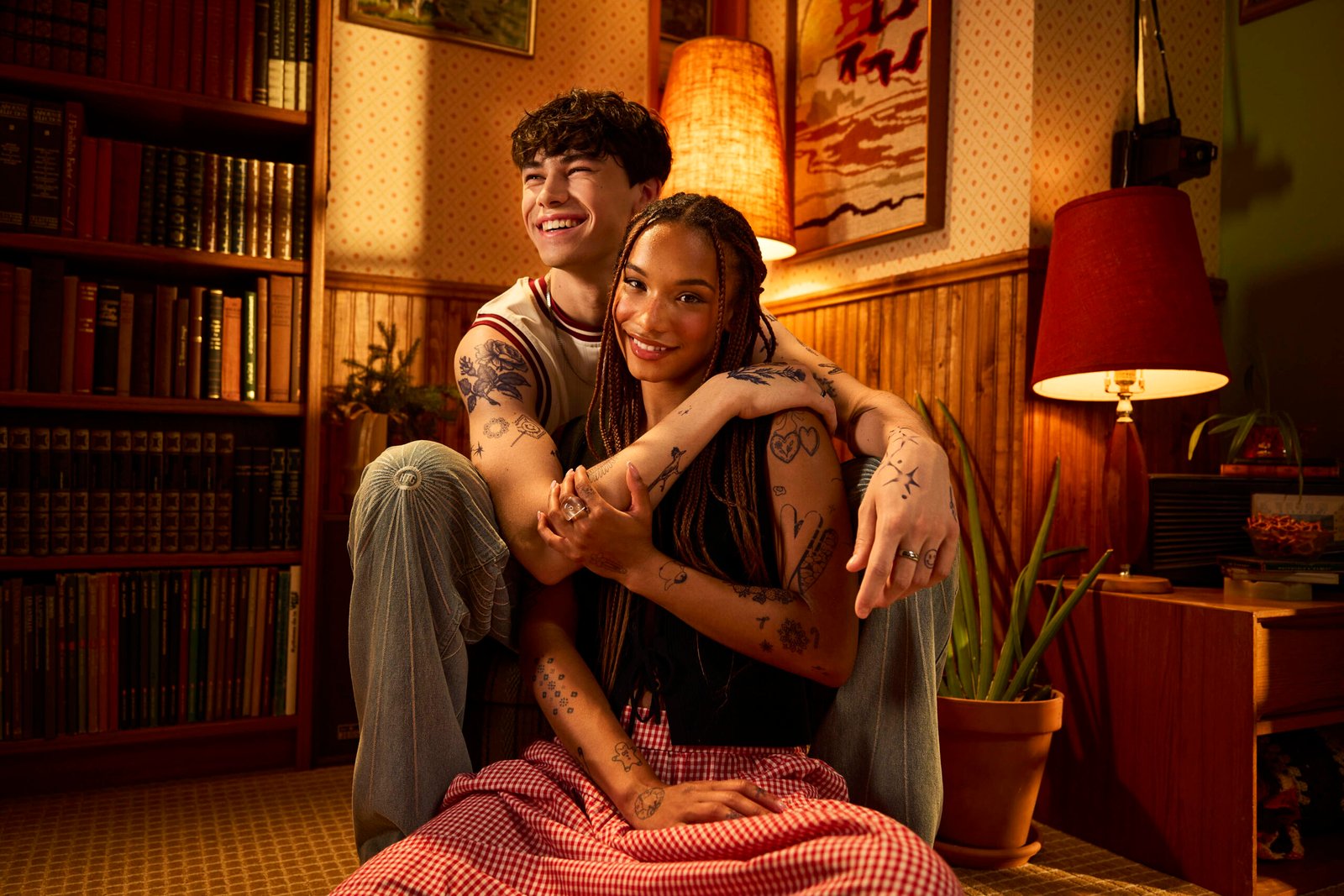
BIC Inkbox – Commercial Photography

Clarins Share the Love – Product Photography
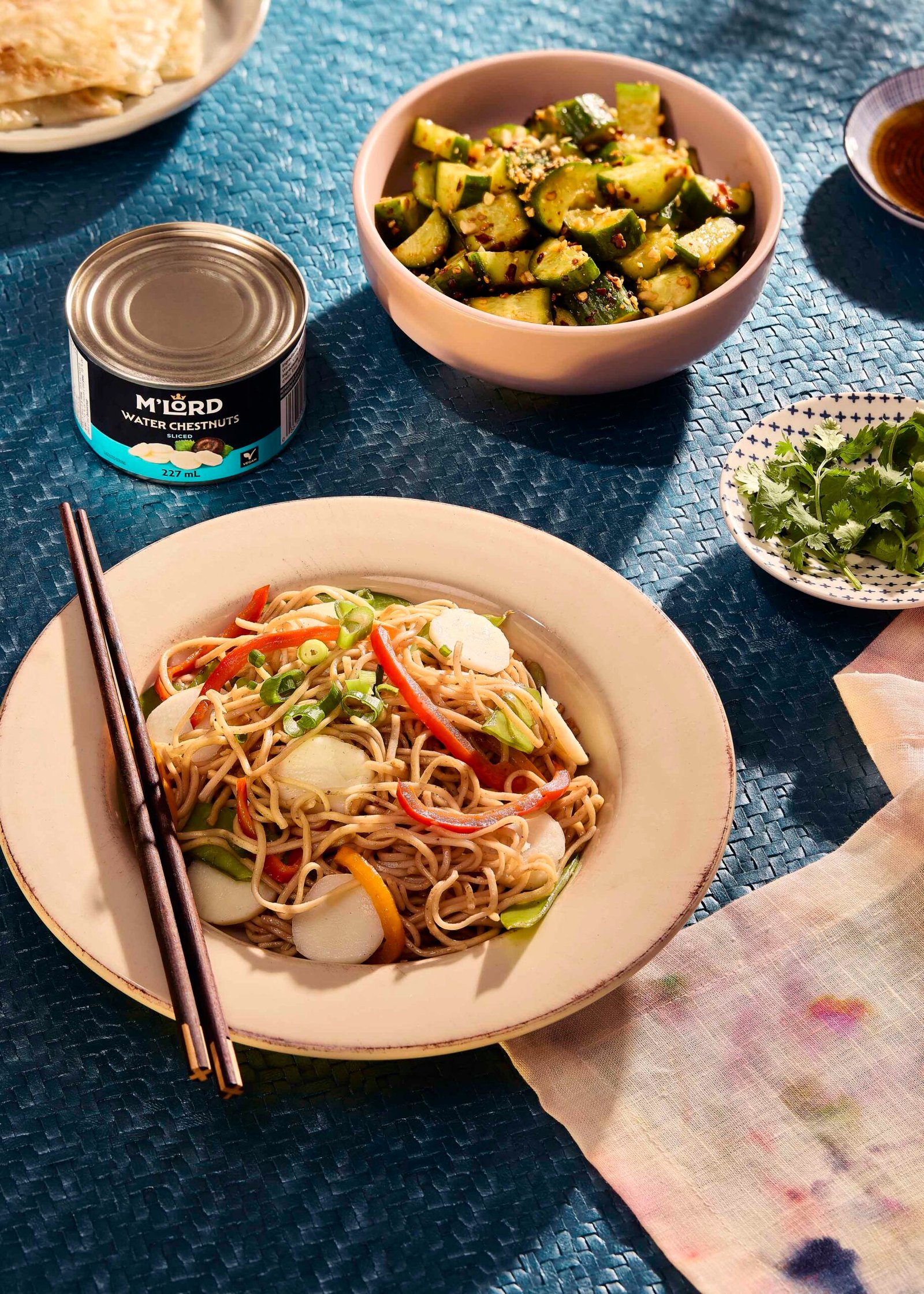
M’LORD – Food photography